If you’re dealing with packaging daily, you already know this: choosing the wrong bag creates problems you don’t notice immediately, but pay for later.
Sometimes it’s tearing during handling.
Sometimes it’s poor stacking in storage.
And sometimes, it’s just the product not looking right on the shelf.
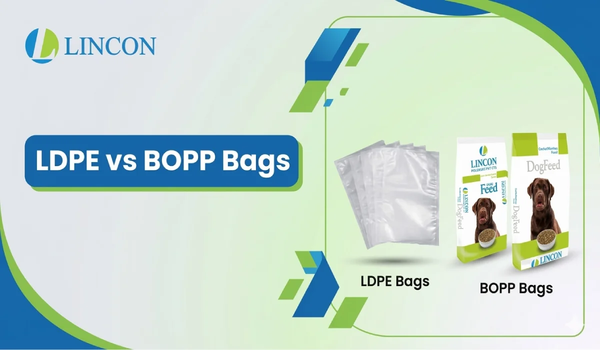
That’s usually when the packaging question comes up, LDPE vs BOPP bags… which one actually works better?
The thing is, this is not just about plastic types. It’s about how your product moves, how it’s stored, and how it’s presented.
This is exactly why understanding the difference between LDPE and BOPP bags matters.
And, in this blog, we’ll be doing exactly that. We’ll break down the LDPE and BOPP bags comparison for packaging, explain when to use LDPE bags vs BOPP bags, and help you decide what actually works based on your product, not just material specs.
Key Highlights
What is LDPE Packaging? Flexible, lightweight polyethylene is used for liners, carry bags, and basic moisture protection in industrial packaging bags
What is BOPP Packaging? Strong, structured polypropylene used in BOPP laminated PP woven bags for bulk, heavy-duty, and branded packaging
LDPE bags vs BOPP bags applications: LDPE for lightweight and inner packaging, BOPP for agriculture, food, and construction materials
When to choose LDPE vs BOPP bags, LDPE for cost and flexibility, heavy-duty BOPP bags for strength, stacking, and presentation
What is LDPE Packaging?
LDPE (Low-Density Polyethylene) packaging is a type of plastic packaging made from a soft and flexible polymer. In simple terms, it’s the material used to make those smooth, slightly stretchy plastic bags that bend easily without cracking.
It’s the kind of material you’ll see in everyday packaging, carry bags, liners, inner pouches, but in industrial use, it plays a much more practical role. LDPE bags are soft, slightly stretchy, and moisture-resistant, making them useful where protection matters more than structure.
Key Characteristics of LDPE Packaging
High flexibility and softness
LDPE bags don’t hold shape, making them ideal for products that don’t need rigid structure or stacking strength. But, they won’t stand upright or maintain form like BOPP laminated bags.
Good moisture resistance
One of the biggest reasons LDPE is used in the packaging industry is its ability to resist moisture, making it suitable for products that need basic protection from humidity or external exposure.
Lightweight and cost-effective
If you’re looking at industrial packaging bags from a cost perspective, LDPE is economical, especially for high-volume usage.
Limited strength for heavy loads
LDPE bags are not designed for heavy stacking or rough handling. Compared to heavy-duty BOPP bags, they fall short in strength and durability.
Minimal visual appeal and printing quality
LDPE is not ideal if your packaging needs to look premium or carry sharp branding. Printing is possible, but it won’t match the finish of BOPP bags for packaging.
When to Choose LDPE Packaging?
Choose LDPE when flexibility matters more than structure
If your product doesn’t need the bag to hold shape or stand upright, LDPE works well. It adapts easily and doesn’t add unnecessary rigidity.
Choose LDPE for inner packaging or liners
In many cases, LDPE is not the outer packaging; it’s the inner layer. Businesses use it as a liner inside BOPP laminated woven bags to add moisture protection.
Choose LDPE for lightweight or low-risk products
If the product isn’t heavy, sharp, or prone to damage during transport, LDPE is usually sufficient.
Choose LDPE when cost control is a priority
For bulk usage where margins matter, LDPE helps reduce packaging costs without over-engineering the solution.
Where LDPE Starts Falling Short?
This is important to understand, especially when comparing LDPE vs BOPP bags for packaging industry needs.
If your product:
Needs to be stacked in warehouses
Goes through rough transport
Requires strong branding or shelf appeal
Falls under categories like agriculture, construction, or bulk commodities
…then LDPE alone usually isn’t enough.
That’s where businesses start shifting towards BOPP laminated PP woven bags or other structured solutions.
What are BOPP Bags?
BOPP (Biaxially Oriented Polypropylene) packaging is a strong, structured plastic packaging made by stretching polypropylene in two directions. This process gives it high strength, clarity, and excellent printability.
It is usually used for heavy and bulk packaging for food grains, fertilizers, animal feed, and construction materials, where strength, stacking, and presentation all matter.
Biaxial orientation significantly improves the strength and clarity of polypropylene, making BOPP suitable for demanding packaging applications.
– Materials Science Researcher
Key Characteristics of BOPP Packaging
High strength and durability
BOPP bags are designed to handle weight. Compared to LDPE, they are far more suitable for heavy loads and rough handling, especially in industrial packaging bags.Excellent printability and appearance
This is where BOPP stands out. It allows high-quality printing, making BOPP bags for packaging ideal for branding, product visibility, and shelf appeal.Moisture resistance with structure
When laminated, BOPP provides moisture protection along with rigidity, unlike LDPE, which only offers flexibility.Good stacking and storage performance
BOPP laminated bags hold their shape, making them easy to stack, transport, and store efficiently.Suitable for heavy-duty applications
Used as heavy-duty BOPP bags, they are built for bulk packaging across demanding industries.
When to Choose BOPP Packaging?
Choose BOPP when strength and structure are required
If your product needs to be stacked, transported in bulk, or handled multiple times, BOPP is the better choice.Choose BOPP for branding and retail-ready packaging
If appearance matters, clear printing, product visibility, and BOPP laminated bags are the preferred option.Choose BOPP for bulk and industrial products
Widely used for agriculture, food grains, fertilizers, and construction materials, this is where BOPP bags for construction materials and agricultural packaging come in.Choose BOPP for long supply chains
If your packaging goes through storage, transport, and multiple handling points, BOPP offers better reliability.
Where BOPP Starts Falling Short?
This becomes clear when looking at LDPE vs BOPP bags for packaging industry needs.
If your product:
Needs high flexibility or stretch
Requires very low-cost packaging for short-term use
Is used as inner packaging or liners
…then BOPP may be unnecessary or cost-inefficient.
In such cases, businesses often combine both, using LDPE as an inner layer and BOPP as the outer packaging.
Difference Between LDPE vs BOPP Bags
When businesses compare LDPE vs BOPP bags, the decision usually comes down to one thing: what your product actually needs during storage, handling, and transport.
So, the difference between LDPE and BOPP bags is not just material, it’s flexibility vs structure, cost vs performance, and basic protection vs complete packaging.
Factor | LDPE Bags | BOPP Bags |
Material Type | Polyethylene (soft, flexible plastic) | Polypropylene (biaxially oriented, strong plastic) |
Structure | Flexible, does not hold shape | Rigid and structured, maintains form |
Strength | Suitable for lightweight use | Suitable for heavy-duty and bulk packaging |
Moisture Resistance | Good basic moisture protection | Moisture-resistant when laminated |
Printing & Branding | Limited printing quality | High-quality printing, ideal for branding |
Usage | Liners, carry bags, inner packaging | BOPP laminated PP woven bags, bulk packaging |
Cost | Lower cost, economical for volume use | Higher cost, but better performance |
Stacking & Storage | Poor stacking ability | Excellent stacking and handling |
Industries | Retail, basic packaging | Agriculture, food grains, fertilizers, and construction |
Best Use Case | Flexible, low-risk packaging | Heavy-duty BOPP bags for industrial use |
This LDPE vs BOPP bags for packaging industry comparison makes one thing clear: LDPE is used where simplicity works, while BOPP is chosen when packaging needs to perform under pressure, carry weight, and represent the product properly.
Final Thoughts
In the end, choosing between LDPE vs BOPP bags is less about which material is better and more about how well it fits into your day-to-day operations.
Some packaging decisions work quietly in the background; they don’t create problems, and that’s exactly the point. Others start showing small gaps over time, whether in handling, storage, or presentation.
From what we’ve seen over the years at Lincon Polymers, these decisions tend to have a bigger impact than expected. Since starting in 1996 and working closely with different packaging requirements, one thing has remained consistent: when the material fits the application from the start, the process tends to run smoother.
If you need professional assistance on which one to choose between LDPE vs BOPP bags, or need high-quality packaging materials, then connect with our team. Get in touch with our experts.
Frequently Asked Questions(FAQs)
What are BOPP bags used for?
BOPP bags for packaging are used for bulk and branded products like food grains, fertilizers, animal feed, and construction materials. BOPP laminated woven bags are preferred where strength, stacking, and high-quality printing are required.
What are LDPE bags used for?
LDPE bags are used for lightweight packaging, carry bags, and inner liners inside industrial packaging bags. They are ideal where flexibility and moisture protection are needed.
What is the main difference between LDPE and BOPP bags?
The main difference between LDPE and BOPP bags is flexibility vs structure. LDPE is soft and flexible, while BOPP laminated bags are strong, rigid, and suitable for heavy-duty and branded packaging.
Which industries commonly use LDPE and BOPP bags?
LDPE is commonly used in retail and basic packaging, while BOPP bags for packaging are widely used in agriculture, food, fertilizers, and construction industries.
Which bag is better for heavy packaging?
For heavy loads and bulk handling, heavy-duty BOPP bags are the better choice due to their strength, durability, and stacking ability compared to LDPE bags.


Nuestros Productos
Proporcionar los productos más versátiles y avanzados bajo un mismo techo en la industria tejida
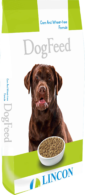
Bolsas de fondo plano de polipropileno biorientado (BOPP)
Especial para envasado de alimentos
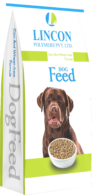
Bolsas tejidas de polipropileno (PP) laminado con polipropileno biorientado (BOPP)
Especial para envasado de alimentos
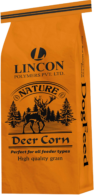
Bolsas de papel o polipropileno
Duradero, flexible y muy resistente
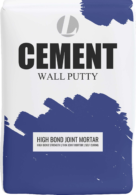
Bolsas de fondo cuadrado de boca abierta y con válvula
Bolsas para uso especial

Bolsas tejidas de polipropileno (PP)
Ligeras y reciclables
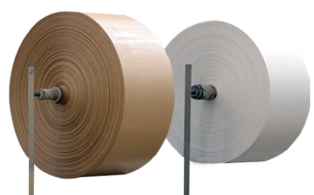
Tejidos de polipropileno (PP)
El corazón de la industria textil