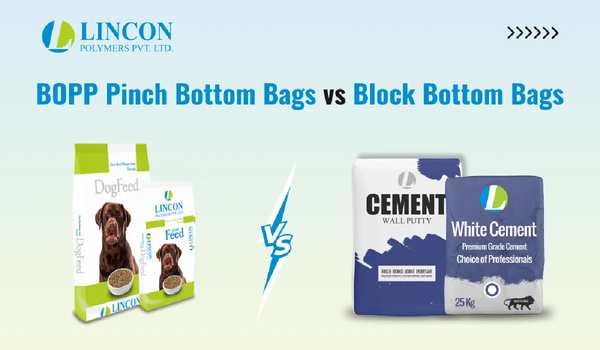
Choose the right industrial packaging bag to protect your product during transport, stack it efficiently in a warehouse, and look good on a retail shelf. BOPP pinch-bottom and block-bottom bags dominate bulk and industrial packaging. BOPP laminated bags and industrial packaging bags are used for different things and have different constructions.
This guide explains Bopp Pinch Bottom Bags vs Block Bottom Bags for flour, fertilizer, pet food, cement, and chemicals and which one is best for your operation.
Key Takeaways
Instead of stitching, BOPP pinch bottom bags are sealed with heat or adhesive, making them leak-resistant, moisture-proof, and hole-free for food, pet food, and chemical powders.
Block bottom bags are ideal for cement, fertilizer, and other heavy bulk industrial materials due to their strength and stackability.
Pinch bottom bags are better for retail and consumer packaging because reverse-printed BOPP film allows six-sided branding.
B2B and industrial supply chains prefer block bottom bags for load capacity and warehouse stacking over branding.
Product type, weight, storage conditions, and packaging influence the buying decision, not which bag looks better on paper.
Companies use both bag types for different product lines depending on the application.
What Are BOPP Pinch Bottom Bags?
BOPP pinch bottom bags are constructed from woven polypropylene fabric laminated with a printed BOPP (Biaxially Oriented Polypropylene) film. Instead of stitching, pinch-bottom bags seal with heat or specialized adhesive. No moisture or fine powder can escape through stitch holes when the bag is sealed on both ends.
Extrusion lamination of BOPP film onto woven PP fabric is followed by rolling the material through a pinch-bottom bag machine for cutting, sealing, and shaping. In production, step cuts reduce material waste. Flush cuts are also used.
BOPP pinch-bottom bags have a clean, square, brick-like shape when filled and equal gusset width on all four sides because there's no stitching. The bags look more premium and retail-ready than sewn sacks due to their uniformity.
Common pinch-bottom packaging bag uses:
Flour, sugar, and food ingredients
Spices and processed food products
Pet food and animal feed
Fine powders and chemicals sensitive to moisture
Seeds and agricultural inputs sold in retail-facing formats
What Are Block Bottom Bags?
Block bottom bags, sometimes called box bottom bags, are designed with a flat, structured base that allows the bag to stand upright like a box once filled. They're made of woven polypropylene fabric, laminated for durability, and designed for heavy loads and high-volume applications.
The defining feature of a block-bottom bag is its rigidity. Its flat base and reinforced structure improve load-bearing capacity, making it ideal for industrial and bulk settings where pallet stacking and storage efficiency are as important as bag strength.
Here are some of the common applications of block bottom bags:
Cement and construction materials
Fertilizers and agrochemicals
Grains, seeds, and animal feed in bulk
Industrial raw materials and minerals
Key Differences Between BOPP Pinch Bottom Bags and Block Bottom Bags
Feature | BOPP Pinch Bottom Bags | Block Bottom Bags |
Structure | Flat sealed bottom, no stitching | Box-shaped, rigid structure |
Sealing Method | Heat or adhesive seal on both ends | Stitched, laminated, or structured base |
Stability When Stacked | Square shape aids vertical stacking | Excellent — purpose-built for stacking |
Moisture & Leakage Protection | High — no stitch holes for moisture entry | Good, depends on lamination and liner |
Load Capacity | Light to medium weight products | Medium to heavy industrial loads |
Print & Branding | Six-side branding possible via BOPP film | Functional, primarily front/back printing |
Material Construction | Woven PP fabric laminated with BOPP film | Woven PP fabric, often laminated |
Typical Industry Use | Retail-facing food, pet food, chemicals | Construction, agriculture, bulk industrial |
Why the Sealing Method Matters
One of the most practical differences between these two bag types is closure. Many block-bottom bags are sewn, which creates small perforations along the seam. Over time, or under certain humidity and handling conditions, these stitch holes can become entry points for moisture or exit points for fine powders.
BOPP pinch bottom bags sidestep this issue entirely. Since the bottom is sealed using glue or heat rather than thread, there are no holes in the bag's structure. This makes pinch-bottom bags particularly well-suited for products that are sensitive to humidity, such as powdered food ingredients, pet food, and certain chemical formulations. It also eliminates the need for an internal liner, saving materials.
Block bottom bags can still leak, especially when laminated, but their strength is in taking on heavier loads and providing a stable base for high-volume stacking.
Stacking, Storage, and Stability
Block-bottom bags are engineered for warehouse and logistics efficiency. Their flat, box-like base lets them stand upright independently, making palletizing more consistent and saving storage space for companies moving large amounts of cement, fertilizer, or grain.
BOPP pinch bottom bags stack well because all four gussets are the same width, creating a square shape when filled. The bags are used for lighter to medium-weight products rather than heavy industrial bulk, but their evenness makes pallet stacking stable.
Branding and Shelf Appeal
BOPP pinch bottom bags are ideal for marketing packaging. Their reverse-printed BOPP film prevents scratching and provides a glossy, high-definition finish. Brands get more usable surface area than with a sewn bag because the bag can be printed on all six sides—front, back, both gussets, and bottom panels.
The block bottom bags look more functional. Printing and branding are still possible, but durability and load performance rank higher than shelf presentation. Block bottom bags suit B2B and industrial buyers who value specifications over packaging aesthetics.
Material and Manufacturing Considerations
Both bags are made of woven polypropylene, but they are finished differently. A strong lamination between the BOPP film and the woven fabric determines the bag's durability and moisture resistance. BOPP film thickness (18 microns), fabric denier, and gusset width affect bag performance.
Since block bottom bags transport weight reliably across the supply chain, GSM, load capacity, and lamination or coating quality are more important.
Ask Block Bottom Bag Manufacturers about denier, lamination type, moisture resistance testing, and valve options for automated filling when ordering custom printed BOPP or block bottom bags. These details affect real-world performance more than the brochure description.
Choosing the Right Bag for Your Business
Practical questions should determine whether to use BOPP Bags For Chemical Industries or block bottom bags:
What are you packaging? Lightweight, moisture-sensitive, retail-facing products tend to favor pinch-bottom bags. Heavy, bulk industrial materials favor block-bottom bags.
How will it be stored and transported? If long-distance transport and dense palletizing are priorities, block-bottom bags are typically the stronger choice.
Does packaging influence the sale? If your product is sold directly to consumers and shelf appeal matters, the six-side branding capability of BOPP pinch bottom bags is a significant advantage.
What's your budget and volume? Pinch bottom bags can offer material savings due to efficient cutting patterns, while block bottom bags are often more cost-effective at a heavy industrial scale.
Instead of standardizing, many companies use BOPP pinch bottom bags for consumer products and block bottom bags for bulk industrial shipments.
Partner With Experienced Manufacturers
An experienced manufacturer guarantees quality, accurate specifications, and reliable bulk supply for custom-printed BOPP Packaging Bags or durable block bottom bags for industrial bulk handling. Lincon Polymers manufactures BOPP pinch bottom bags, block bottom bags, and others for chemical industries and other demanding applications, helping businesses match the right packaging to the right product every time.
Frequently Asked Question
1. What is the main difference between BOPP pinch bottom bags and block bottom bags?
Pinch-bottom packaging bags are sealed at the bottom using heat or adhesive instead of stitching, making them leak-resistant and ideal for moisture-sensitive products. Block bottom bags have a rigid, box-shaped base built for stacking and carrying heavier industrial loads.
2. Which bag type is better for food and pet food packaging?
BOPP pinch bottom bags are generally preferred for food, spices, and pet food because their stitch-free sealing prevents moisture and powder leakage, and the BOPP film offers a clean, premium finish suited for retail shelves.
3. Are block bottom bags stronger than BOPP pinch bottom bags?
Block bottom bags are typically better suited for heavier loads like cement, fertilizer, and grains due to their rigid structure and superior stacking stability. BOPP pinch bottom bags are strong for their weight class but are designed more for light-to-medium weight, moisture-sensitive products.
4. Can BOPP pinch bottom bags be customized with branding and printing?
Yes. BOPP pinch bottom bags allow six-side printing through reverse-printed BOPP film, giving brands more visible surface area for logos and product information compared to standard sewn or block bottom bags.
5. Do block bottom bags require a liner for moisture protection?
It depends on the lamination and coating used. Laminated block bottom bags offer decent moisture resistance, but BOPP pinch bottom bags often eliminate the need for a liner altogether since their sealed construction has no stitch holes for moisture to enter.


Our Products
Providing the most versatile and advanced products under one roof in the Woven Industry
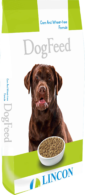
BOPP Pinch Bottom Bags
Specially for Food Packaging
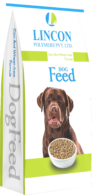
BOPP Laminated PP Woven Bags
Specially for Food Packaging
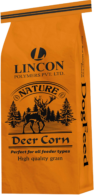
Paper / Poly Bags
Durable, Flexible, and Extra Strengthy
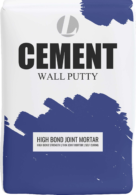
Block Bottom - Open Mouth & Valve Bags
Special Purpose Bags
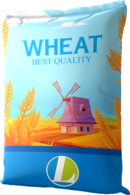
PP Woven Bags
Light Weight and Recyclable
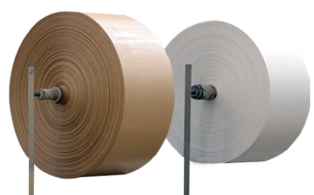
PP Woven Fabrics
The Heart of Woven Industry