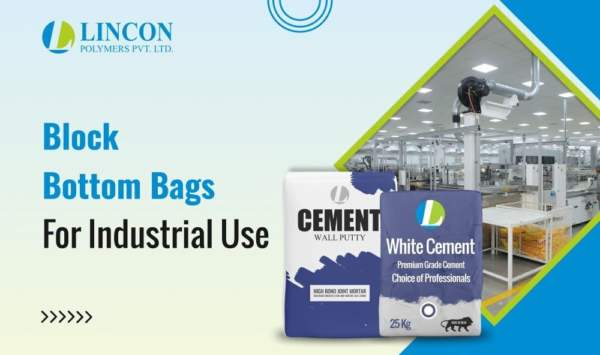
Block bottom bags, sometimes called flat-bottom or square-bottom bags, are engineered to stand upright, maximize space, and resist punctures. Their unique design, with a block-shaped base, prevents tipping and streamlines stacking, making them a go-to for products that need safe and stable storage or shipment.
Let’s explore the top 5 industries that benefit from block bottom bags and examine how this packaging is shaping the future of bulk goods transportation and storage.
Key Takeaways
Block bottom bags combine function, durability, and branding potential in one packaging solution.
Industries like cement, agriculture, food, pet food, and chemicals benefit the most from them.
Options like PP woven, valve, and open mouth designs make them versatile across sectors.
With innovations like eco-friendly Ad-Star bags, the future of industrial packaging is stronger, cleaner, and more sustainable.
What makes Block Bottom Bag so Unique?
As we discussed, A block bottom bag is designed with a rectangular base that allows it to stand upright, unlike traditional tubular or gusseted sacks. This gives it a box-like shape, easy to fill, stack, store, and transport.
Manufacturers now offer various types of block bottom bags such as:
Block bottom valve bags
Open mouth block bottom bags
PP woven block bottom bags
Ad-Star bags
Whatever type it is, these bags bring versatility, durability, and space efficiency to any packaging process.
Here’s why companies are switching to them:
Better stackability and space utilization
Reduced leakage and product loss
Cleaner and faster filling operations
Strong branding and shelf appeal
Eco-Friendly material options (like recyclable PP woven fabric)
Industries that Benefit From Block Bottom Bag
Cement & Construction
Perhaps the industry that most obviously benefits from block bottom bags is cement and construction. These bags, including PP woven block bottom bags and Ad-Star bags, provide superior durability and are water-resistant, which protects contents from moisture and damage during transport and storage.
How do valve bags reduce dust during filling operations?
When filled through a valve spout, these bags self-seal, preventing dust pollution and minimizing product loss. That means cleaner warehouses and more efficient production lines. The best block bottom bags for cement and construction ensure dust-free filling and moisture protection, making them ideal for both manual and automated systems.
Food & Agro Commodity
Agricultural packaging demands durability, breathability, and hygiene, and these food-grade block bottom bags for flour and sugar packaging meet all three. Their tight weave structure keeps the contents fresh while preventing spillage. Farmers, distributors, and exporters use rice and grain storage bags because these bags stand upright, are easy to palletize, and resist moisture damage. Open-mouth block bottom bags for pet food and rice and durable PP woven block bottom bags for fertilizers are the most practical options for the agri-sector.
Fertilizers, Chemicals & Minerals
Chemicals require leak-proof, tough, and safe packaging, and block bottom valve bags are ideal for these demanding conditions. Their sealed valve design helps contain hazardous or fine materials while minimizing dust during filling and transport. The valve opening allows air to escape while keeping the material inside, reducing airborne particles. This makes the workplace cleaner and more compliant with safety standards.
Animal Feed & Pet food
The global demand for pet food packaging sacks has skyrocketed, and block bottom bags fit this niche perfectly. Pet owners want clean, resealable, and durable packaging that looks premium. Manufacturers, on the other hand, need packaging that can handle weight, resist tearing, and stack easily.
Why the industry loves them:
High tensile strength for heavy products
Ability to print full-color designs for better shelf appeal
Recyclable and reusable PP woven material
Bulk Retail & Consumer Goods
Whether it’s flour, sugar, coffee, or nuts, consumer goods packaging must be functional and appealing. Block bottom bags, especially food-grade and polypropylene woven sacks, offer retailers a packaging solution that combines excellent display potential with reliability. They support both manual and automated filling processes, making them versatile for various business sizes.
Conclusion
Block bottom bags are more than just packaging, they are an essential tool for efficient, safe, and attractive product transportation in industries ranging from cement to pet food and retail goods. The industries that benefit from block bottom bags understand that a strong package builds a strong brand.
As research reports show, the global block bottom bag market is growing steadily, driven by eco-friendly materials, automation compatibility, and cost-effective manufacturing. According to a Transparency Market Research report, the global block bottom bags market was valued at US$1.3 billion in 2023 and is expected to reach US$1.9 billion by 2032.
For detailed options and guidance, turn to reputable Block Bottom Bag Manufacturers like LinconPolymers Pvt Ltd with a proven track record in smart packaging solutions.
Frequently Asked Questions
Which industries use valve block bottom bags most often?
Valve block bottom bags are most commonly used in cement, minerals, chemicals, and agricultural products packaging. Their self-sealing mechanism and dust control make them the preferred choice where cleanliness and efficiency are critical.
Are block bottom bags suitable for food products?
Yes, food-grade block bottom bags are excellent for flour, sugar, grains, rice, and pet food due to their ability to preserve freshness and prevent contamination.
What capacity options do block bottom bags come in?
Block bottom bags are highly customizable, typically ranging from 5 kg to 50 kg and beyond, making them suitable for both small retail packages and bulk industrial shipments.
Do block bottom bags work with automated filling systems?
Absolutely. Both valve and open mouth block bottom bags are designed for compatibility with modern automated filling equipment, resulting in efficient, dust-free operations and reduced handling costs.


Our Products
Providing the most versatile and advanced products under one roof in the Woven Industry
BOPP Pinch Bottom Bags
Specially for Food Packaging
BOPP Laminated PP Woven Bags
Specially for Food Packaging
Paper / Poly Bags
Durable, Flexible, and Extra Strengthy
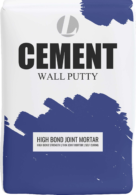
Block Bottom - Open Mouth & Valve Bags
Special Purpose Bags

PP Woven Bags
Light Weight and Recyclable
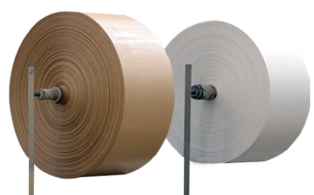
PP Woven Fabrics
The Heart of Woven Industry