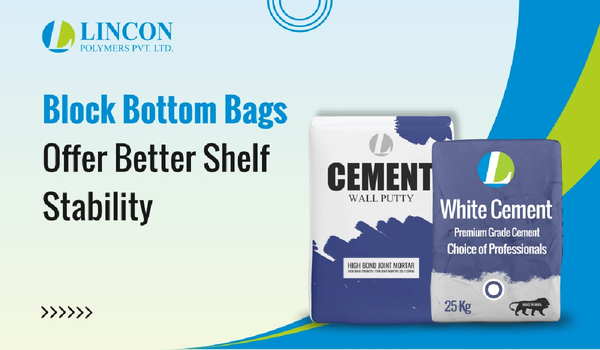
In today’s competitive retail and industrial markets, packaging is no longer just a container - it’s a silent salesperson. Whether your product sits on a supermarket shelf, in a warehouse, or at an export terminal, how it stands, looks, and performs directly affects customer trust and purchasing decisions. This is exactly why it is important to know why block bottom bags offer better shelf stability and are rapidly replacing traditional packaging formats.
From food brands to industrial suppliers, companies are shifting toward block bottom packaging bags because they combine structural strength, premium aesthetics, and functional efficiency. Let’s explore what makes them superior, how they improve shelf presence, and why they are becoming the go-to choice for modern packaging.
Key Takeaways
Block bottom bags offer better shelf stability than traditional pouch or pillow formats, reducing collapse and making displays more organized and appealing.
The flat, structured base ensures that packaging stands upright and maximizes front-panel visibility, allowing customers to easily view branding, nutritional information, and product features, leading to stronger first impressions.
Whether food, chemicals, construction, or consumer goods, block bottom bags for food and non-food products offer broad applications, especially for heavy or bulk items, making them a cost-effective, stable packaging bag solution for multiple sectors.
What are Block Bottom Bags?
At first glance, block bottom bags may look similar to stand-up pouches. However, their construction is far more advanced. These bags feature a reinforced flat bottom panel, allowing them to remain upright without leaning, collapsing, or external support.
Unlike ordinary pouches that depend on air or product weight to stand, flat bottom bags with strong base support are engineered to maintain shape, even under heavy loads. This makes them one of the most stable packaging bags available today.
Why Block Bottom Bags Offer Better Shelf Stability
Engineered for Balance and Weight Distribution
The key reason why block bottom bags offer better shelf stability lies in their geometry. The flat base spreads product weight evenly across the bottom surface, reducing pressure points that cause tipping or deformation.
According to packaging performance studies by Smithers, stable packaging reduces product damage during transit and display by up to 30%, especially for granular and powdered products. This makes stable shelf packaging a strategic investment rather than a cosmetic choice.
Upright Positioning Enhances Shelf Presence
Retail shelves are crowded. Products that lean, slump, or fall often get overlooked. Flat bottom bags that stand upright on shelves maintain a clean vertical posture, ensuring your product remains visible and accessible at all times.
This is why block bottom packaging for improved product visibility is favored by premium brands. With wider front and side panels, these bags allow for bold branding, nutritional information, certifications, and storytelling, without clutter.
Consumer Psychology: Stability Builds Trust
Shoppers subconsciously associate neat, structured packaging with quality and reliability. Studies published by Nielsen show that 64% of buying decisions happen at the shelf, driven largely by visual cues.
When customers see stand-up packaging bags that look firm, balanced, and premium, they instinctively trust the product inside. This is a major reason premium packaging bags often use block bottom designs.
Ideal for Heavy and Bulk Products
Traditional pouches struggle with weight. In contrast, heavy-duty block bottom bags are designed to support products ranging from 5 kg to 50 kg or more.
Industries handling grains, pet food, fertilizers, chemicals, and construction materials rely on block bottom bags for packaging because they:
Prevent bulging and tearing
Improve stacking strength
Maintain shape during long-distance transport
This makes them a reliable solution for both retail and industrial use.
Better Stackability and Storage Efficiency
Shelf stability isn’t just about standing, it’s also about stacking. Block bottom bags maintain uniform dimensions, allowing for organized pallet stacking and warehouse storage.
This reduces:
Product collapse during transit
Shelf rearrangement by store staff
Wastage due to spillage or damage
As a result, businesses experience lower logistics losses and higher operational efficiency.
Great for Industrial Use
Beyond retail, Block Bottom Bag for Industrial Use is gaining traction due to its strength and efficiency. Industrial buyers value packaging that:
Withstands rough handling
Supports heavy loads
Reduces storage space
Enhances workplace safety
These features make heavy-duty block bottom bags ideal for bulk handling and export packaging. The question is who should consider block bottom bags? Block bottom bags are great for:
Food & FMCG brands
Pet food manufacturers
Chemical & fertilizer suppliers
Export-oriented businesses
Construction material companies
Block Bottom Bags Vs. Traditional Bags
When evaluating Block Bottom Bags vs. Traditional Bags, the performance gap is clear:
Traditional bags often slump, fold, or lean
They offer limited branding space
Stability decreases as product settles
On the other hand, block bottom bags provide:
Superior shelf stability
Enhanced visual appeal
Better load-bearing capacity
Long-term structural integrity
This makes them a smarter choice for brands focused on growth and consistency. Modern packaging demands flexibility. The good news? Block bottom bags can be fully customized. If you’re searching for a reliable BOPP block bottom bags manufacturer in India, Lincon Polymers delivers durable, high-performance solutions tailored to your industry.
Final Thought
Today, products don’t just compete on quality, they compete on visibility, trust, and performance at the shelf. This is exactly why block bottom bags offer better shelf stability. Their reinforced base, upright structure, and premium appearance help products stand tall, stay organized, and capture attention where it matters most, at the point of purchase.
Looking to improve shelf stability without increasing logistics costs? Block bottom packaging could be the upgrade your product needs. From customized retail packs to heavy-duty block bottom bags for industrial use, Lincon Polymers delivers packaging engineered for strength, visibility, and shelf success. Give your products the stability, protection, and shelf presence they deserve, because packaging that stands strong sells better.
Frequently Asked Questions
1. Why do block bottom bags offer better shelf stability?
Block bottom bags offer better stability because their flat, reinforced base evenly distributes weight, allowing the bag to stand upright without external support.
2. How do block bottom bags improve product display?
They offer full front-panel visibility, clean alignment, and premium shelf presence that attracts buyers and helps the seller to make a great first impression.
3. Are block bottom bags suitable for heavy products?
Absolutely. Heavy-duty block bottom bags are designed to handle high loads without collapsing. Making them one of the best choices for heavy-duty usage.
4. Which industries commonly use block bottom bags?
Industries such as building materials, food, agriculture, chemicals, pet care, and manufacturing widely use block bottom bags.
5. Can block bottom bags be customized?
Yes, block bottom bags can be customized, from material selection to printing, size, thickness, and barrier properties.


Our Products
Providing the most versatile and advanced products under one roof in the Woven Industry
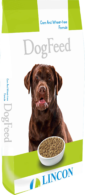
BOPP Pinch Bottom Bags
Specially for Food Packaging
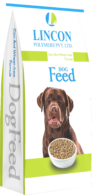
BOPP Laminated PP Woven Bags
Specially for Food Packaging
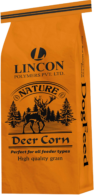
Paper / Poly Bags
Durable, Flexible, and Extra Strengthy
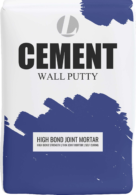
Block Bottom - Open Mouth & Valve Bags
Special Purpose Bags

PP Woven Bags
Light Weight and Recyclable
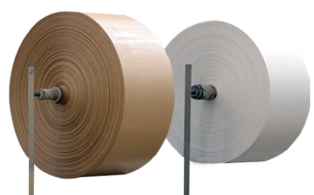
PP Woven Fabrics
The Heart of Woven Industry