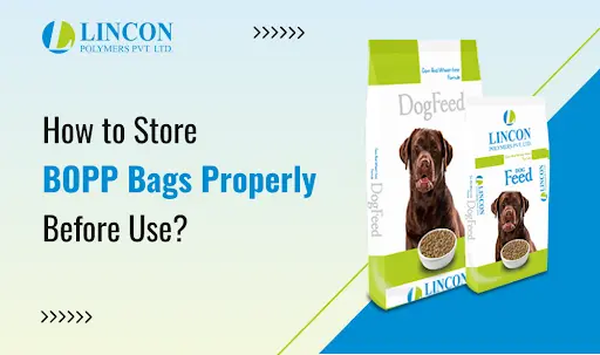
BOPP bags are strong, moisture-resistant, and vibrantly printed, but improper storage can degrade even the best packaging. Whether you're managing a warehouse full of woven sacks or a small batch of custom-printed bags, knowing how to store BOPP bags before use is essential to protecting your investment and ensuring your packaging performs as intended once it reaches production.
In this guide, we'll walk through the ideal storage conditions, common mistakes to avoid, and best practices to help your BOPP Packaging Bags stay in top condition until they're ready to use.
Key Takeaways
Temperature, humidity, and sunlight exposure are the three biggest factors affecting BOPP bag quality during storage.
Pallet storage, proper ventilation, and shrink wrapping help protect bags from moisture and physical damage.
Custom-printed bags need extra care to preserve branding and print quality during storage.
FIFO inventory rotation helps ensure older stock is used before quality begins to degrade.
Common storage mistakes, like putting too many things on top of each other or letting the floor get wet, can damage products and waste money.
Why Proper BOPP Bag Storage Matters
BOPP bags are made from Biaxially Oriented Polypropylene film laminated onto woven polypropylene fabric. While this construction makes them durable and moisture-resistant, improper storage can still compromise their integrity.
Poor storage conditions can lead to:
Weakened seams and reduced tensile strength
Faded or damaged printing on custom-printed bags
Moisture buildup, leading to mold or bacterial contamination
Warping or deformation from excess heat or pressure
Reduced BOPP Bag Shelf Life overall
Understanding Proper Storage of BOPP Bags isn't just about tidiness. It has a direct impact on product safety, brand presentation, and cost efficiency.
Ideal Storage Conditions for BOPP Bags
Getting the ideal storage conditions for BOPP bags right comes down to a few key environmental factors:
1. Temperature Control
BOPP bags should be stored in a cool, dry area, ideally between 15°C and 30°C. Excessive heat can cause the polypropylene material to soften or warp, while extreme cold can make the material more brittle and prone to cracking.
2. Humidity Management
Since BOPP bags are valued for their Moisture-Resistant Packaging properties, it may seem like humidity isn't a concern. But prolonged exposure to high humidity can still affect adhesive layers and printed surfaces. Aim to keep storage areas below 60% relative humidity.
3. Avoiding Direct Sunlight
UV exposure can degrade polypropylene over time, weakening the material and fading printed graphics. Store bags away from windows or open loading docks where sunlight exposure is prolonged.
4. Proper Ventilation
While bags should be protected from excess humidity, stagnant, poorly ventilated storage spaces can trap moisture. A well-ventilated warehouse helps maintain consistent air quality around stored packaging.
Best Practices for Storing BOPP Bags
Following established best practices for storing BOPP bags helps extend their usability and maintain quality:
Stack bags on pallets, not directly on the floor, to avoid moisture absorption from concrete surfaces.
Use shrink wrap or covers for bundles stored for extended periods, protecting against dust and incidental moisture.
Keep bags in their original packaging until ready for use, as manufacturer packaging is often designed to provide an extra layer of protection.
Overstacking can crush lower bags and cause creasing or seam stress, especially for Woven BOPP Bags carrying heavier loads.
Label storage batches by date, using a first-in, first-out (FIFO) system to ensure older stock is used before newer stock.
Proper Warehouse Storage for BOPP Packaging Bags
For businesses managing larger inventories, proper warehouse storage for BOPP packaging bags requires a more systematic approach:
Designate a specific storage zone away from chemicals, sharp equipment, or heavy machinery that could puncture or damage bags.
Maintain consistent racking systems to prevent bags from shifting or becoming crushed during storage.
Monitor pest control, as unaddressed pest issues can damage both packaging materials and any residual product.
Conduct regular inspections to catch early signs of moisture damage, discoloration, or structural weakening.
These warehouse storage tips for BOPP packaging apply whether you're storing BOPP Pinch Bottom Bags, BOPP Laminated PP Woven Bags, or bags sourced from trusted Block Bottom Bag Manufacturers.
How Should Custom-Printed BOPP Bags be Stored?
Custom-printed bags require a bit of extra care compared to plain packaging. Prolonged light exposure, friction between stacked bags, and humidity can all affect print quality.
To preserve branding integrity:
Store printed bags flat or gently stacked, avoiding excessive pressure that could cause ink transfer between bags.
Keep printed inventory away from direct light sources.
Businesses using BOPP Bags for Construction Materials or food-grade packaging with specific labelling requirements should separate print batches to avoid confusion or mixing product lines.
Common Mistakes to Avoid When Storing BOPP Bags
Even experienced warehouse teams can make these common mistakes:
Storing bags directly on damp flooring, increasing moisture absorption risk.
Leaving bags exposed near loading dock doors, where temperature and humidity fluctuate constantly.
Overstacking pallets beyond recommended height limits, risking bag deformation.
Ignoring FIFO inventory rotation, leading to older stock degrading unnecessarily.
Mixing chemical storage with packaging storage, risking contamination or material degradation.
Avoiding these mistakes is a simple but effective way to protect your investment and maintain consistent Packaging Best Practices across your operation.
Can BOPP Bags be Stored Outdoors?
While BOPP bags offer solid moisture resistance, outdoor storage is generally not recommended for extended periods. Exposure to fluctuating temperatures, UV rays, rain, and humidity can gradually weaken the material and affect print quality. If outdoor or semi-outdoor storage is unavoidable, bags should be fully covered and elevated off the ground to minimize environmental exposure.
Why Storage Knowledge Matters for Cost Efficiency?
Proper storage extends BOPP Bags' packaging cost savings beyond appearance. Bags that degrade due to poor storage often need to be discarded or replaced, leading to unnecessary material waste and added expense. By following correct Packaging Material Storage protocols, businesses can maximize the lifespan of their inventory and avoid costly losses.
Why Choose Lincon Polymers
Lincon Polymers knows that making good packaging doesn't end there; it also includes storing, handling, and using it in the end. Offering a wide range of BOPP Bags, from BOPP Pinch Bottom Bags to heavy-duty laminated woven options, Lincon Polymers is committed to helping businesses choose the right BOPP bag size and capacity while providing guidance on proper storage and handling for long-term packaging performance.
FAQs
How should BOPP bags be stored before use?
BOPP bags should be stored in a cool, dry, well-ventilated area, stacked on pallets away from direct sunlight and moisture sources, ideally within their original packaging.
Can BOPP bags be stored outdoors?
Extended outdoor storage isn't recommended due to UV exposure and fluctuating humidity, which can weaken the material. If necessary, bags should be covered and elevated off the ground.
What is the shelf life of BOPP bags?
When stored properly under recommended conditions, BOPP bags can maintain their quality for an extended period, though exact shelf life can vary based on environmental factors and bag composition.
How should custom-printed BOPP bags be stored?
Printed bags should be stored flat or gently stacked, away from direct light, with minimal pressure to prevent ink transfer or print fading.
What are the common storage mistakes to avoid?
Common mistakes include storing bags on damp floors, overstacking pallets, ignoring FIFO rotation, and exposing bags to fluctuating temperatures near loading docks.


Our Products
Providing the most versatile and advanced products under one roof in the Woven Industry
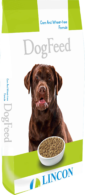
BOPP Pinch Bottom Bags
Specially for Food Packaging
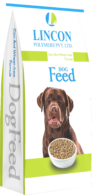
BOPP Laminated PP Woven Bags
Specially for Food Packaging
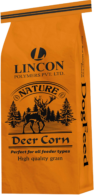
Paper / Poly Bags
Durable, Flexible, and Extra Strengthy
Block Bottom - Open Mouth & Valve Bags
Special Purpose Bags

PP Woven Bags
Light Weight and Recyclable
PP Woven Fabrics
The Heart of Woven Industry