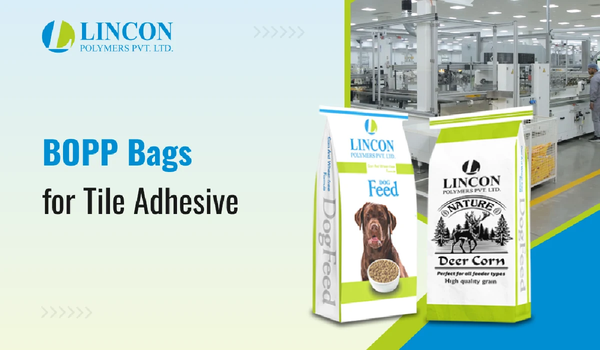
If you've ever picked up a bag of tile adhesive or cement, chances are you were holding a BOPP bag without even realizing it. These bags have become the industry standard for packaging construction materials, and there's a good reason why. This guide breaks down exactly what a BOPP bag is, how it's made, and why manufacturers overwhelmingly choose BOPP bags for tile adhesive packaging over other alternatives.
Key Takeaways
A BOPP bag is made by laminating biaxially oriented polypropylene film onto a woven PP fabric base, combining strength with a smooth, printable surface.
BOPP bags are widely used for tile adhesive because of their excellent moisture resistance, durability, and puncture protection.
The glossy BOPP surface allows for high-quality custom printing, making these bags valuable for both protection and branding.
Common BOPP bag styles include pinch bottom, block bottom, and valve bags, each suited to different filling and stacking needs.
Choosing the right bag size, capacity, and manufacturer is essential for consistent quality and cost efficiency in bulk packaging.
What Is a BOPP Bag?
BOPP stands for "Biaxially Oriented Polypropylene." This is a type of plastic film that is stretched in two directions, lengthwise and widthwise, while it's being made. This process makes the film significantly stronger, clearer, and more durable than standard polypropylene film.
A BOPP bag is typically constructed by laminating this BOPP film onto a woven polypropylene (PP) fabric base. The result is a bag that combines the strength and flexibility of woven PP with the smooth, printable, moisture-resistant surface of BOPP film. This combination is why BOPP laminated bags have become the go-to choice for heavy-duty industrial packaging, including cement, tile adhesive, sugar, and other bulk construction materials.
How BOPP Bags Are Made
Understanding the construction of a BOPP bag helps explain why it performs so well under demanding industrial conditions:
Woven PP fabric base: Polypropylene tape is woven into a strong, tear-resistant fabric, similar to traditional woven bags.
BOPP film lamination: A layer of BOPP film is laminated onto the woven fabric, sealing the weave and creating a smooth outer surface.
Printing: Because BOPP film provides a glossy, smooth finish, it's ideal for high-quality, custom-printed BOPP bags with sharp branding, logos, and product information.
Bag conversion: The laminated fabric is then cut and stitched or heat-sealed into the final bag format, whether that's a pinch bottom, block bottom, or valve-style design.
Woven BOPP bags are different from plain woven sacks or simple plastic packaging because they are made of multiple layers. With these layers, you get strength, protection, and the chance to brand your product in a way that stands out.
Why BOPP Bags Are Used for Tile Adhesive Packaging
Tile adhesive is a moisture-sensitive, heavy, and often abrasive product that puts serious demands on its packaging.
Here's why BOPP tile adhesives packing bags consistently outperform other packaging materials for this application.
1. Excellent Moisture Resistance
Tile adhesive is highly sensitive to humidity and moisture exposure, which can cause premature setting or clumping inside the bag.
For this type of product, moisture-resistant packaging is a must. The laminated BOPP layer acts as a barrier against humidity, rain, and warehouse condensation, keeping the adhesive's working properties from production to application.
2. Superior Strength and Durability
Tile adhesive bags typically carry heavy loads, ranging from 20 kg to 50 kg or more per bag. As heavy-duty packaging bags, BOPP laminated woven PP bags are engineered to withstand this weight without tearing, even through repeated handling, stacking, and transportation across rough construction site conditions.
3. Puncture and Tear Resistance
It's not easy to work in construction because bags are often dragged, stacked, dropped, and put on sharp tools and rough surfaces. The woven PP base gives BOPP bags excellent puncture and tear resistance compared to standard plastic or paper packaging, significantly reducing product loss and waste during transit and storage.
4. High-Quality Branding and Printability
In a competitive construction materials market, packaging is also a branding opportunity. The smooth, glossy surface of BOPP film allows for vivid, high-resolution printing, making it easy for manufacturers to showcase logos, usage instructions, safety information, and brand identity clearly. This is a big reason why custom-printed BOPP bags are now standard in the business world: they keep the goods safe and can also be used as a marketing tool on every job site.
5. Cost-Effective for Bulk Packaging
While BOPP bags offer premium performance, they remain a cost-efficient packaging solution at scale. BOPP bags are cheaper than multi-wall paper bags or specialty plastic packaging while providing superior strength, moisture protection, and shelf appeal, which benefits bulk construction product manufacturers with tight margins.
Types of BOPP Bags Used in the Construction Industry
Not all BOPP bags are built the same way. Depending on the product and handling requirements, manufacturers choose from several bag styles:
BOPP Pinch Bottom Bags: Known for their flat, sealed bottom seam, these bags are widely used for cement, tile adhesive, and other powder-based construction materials due to their strong seal and stackability.
Block Bottom Bags: Featuring a flat, box-like base, block bottom bags offer excellent stability when stacked on pallets, making them popular for larger industrial orders. Many block bottom bag manufacturers now offer BOPP-laminated versions specifically for construction packaging.
Valve Bags: Designed for automated filling lines, ideal for high-volume production environments.
When comparing BOPP Pinch Bottom Bags vs Block Bottom Bags, the right choice often comes down to your filling equipment, stacking requirements, and distribution logistics. Understanding the different types of BOPP bags available helps manufacturers select the format best suited to their specific product and supply chain.
Choosing the Right BOPP Bag Size and Capacity
Selecting the correct BOPP bag size and capacity is just as important as choosing the right bag style. Tile adhesive comes in 20 kg, 25 kg, 40 kg, and 50 kg bags, and the bag's dimensions, gusset width, and film thickness must match to avoid overstretching, seam failure, and wasted packaging material.
BOPP Bags vs. Other Packaging Materials
Compared to traditional Kraft paper bags or basic woven PP sacks, BOPP laminated PP woven bags offer a clear performance advantage for construction packaging bags:
Feature | BOPP Bags | Paper Bags | Plain Woven PP |
Moisture Resistance | Excellent | Poor | Moderate |
Strength | High | Moderate | High |
Print quality | Excellent | Good | Poor |
Puncture Resistance | High | Low | Moderate |
Cost Efficiency | High | Moderate | High |
This comparison makes it clear why BOPP packaging solutions have become the most popular choice for cement bags, sugar bags, and industrial packaging bags in general, not just for tile adhesive.
Choosing a Reliable BOPP Bag Manufacturer
Not all BOPP bags are created equal, and quality varies significantly between manufacturers in terms of film thickness, lamination consistency, and seam strength. When sourcing packaging for tile adhesive or other construction materials, it's worth partnering with an established BOPP bag manufacturer that can guarantee consistent quality, custom printing capabilities, and reliable bulk supply. Lincon Polymers is one such name in the industry, known for producing durable, moisture-resistant BOPP packaging tailored to the demands of construction and industrial applications.
Frequently Asked Questions
Why are BOPP bags used for tile adhesive packaging?
BOPP bags offer superior moisture resistance, strength, and puncture protection, making them ideal for protecting moisture-sensitive, heavy products like tile adhesive during storage and transport.
Are BOPP bags moisture-resistant?
Yes. The laminated BOPP film creates an effective barrier against humidity and moisture, helping preserve the quality of powder-based products like tile adhesive and cement.
Can BOPP bags be custom printed?
Yes. The smooth, glossy surface of BOPP film allows for high-resolution, vibrant printing, making it easy to include branding, logos, and usage instructions directly on the bag.
How do BOPP bags protect tile adhesive during transportation?
Their woven PP base provides strength and tear resistance, while the BOPP lamination adds moisture protection, helping the bags withstand rough handling, stacking, and transit conditions.
Why do tile adhesive manufacturers prefer BOPP packaging?
BOPP packaging offers the ideal combination of durability, moisture resistance, and cost-effective branding, making it a practical and reliable choice for bulk construction material packaging.


Our Products
Providing the most versatile and advanced products under one roof in the Woven Industry
BOPP Pinch Bottom Bags
Specially for Food Packaging
BOPP Laminated PP Woven Bags
Specially for Food Packaging
Paper / Poly Bags
Durable, Flexible, and Extra Strengthy
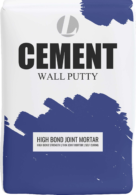
Block Bottom - Open Mouth & Valve Bags
Special Purpose Bags
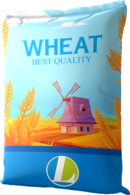
PP Woven Bags
Light Weight and Recyclable
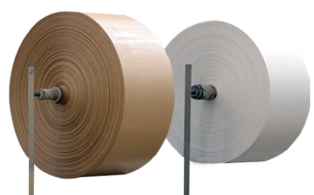
PP Woven Fabrics
The Heart of Woven Industry