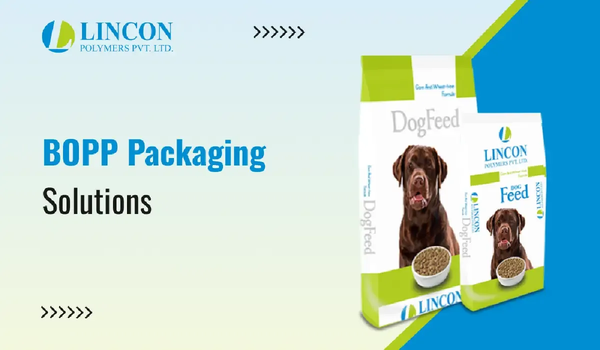
Packaging is no longer judged on protection and presentation alone. Brands, regulators, and consumers now expect packaging materials to deliver strong performance, durability, and efficiency throughout the supply chain. This shift has pushed sustainable BOPP packaging solutions into the spotlight as one of the most practical answers the flexible packaging industry has produced so far.
BOPP (Biaxially Oriented Polypropylene) has been a workhorse material in industrial and consumer packaging for decades. Its engineering and combination with other materials are changing to meet sustainability expectations without sacrificing its strength, clarity, and print quality, which made it popular.
Key Takeaways
Sustainable BOPP packaging solutions combine lightweight construction and durability while delivering reliable performance across a wide range of packaging applications.
High-barrier BOPP films extend product shelf life, indirectly reducing food waste and overall material consumption.
Biodegradable BOPP alternatives and bio-based additives are emerging but are still under development, while current advancements focus on enhancing material performance, processing efficiency, and product quality.
BOPP bags reduce overall packaging costs by merging strength, moisture protection, and branding into one laminated layer.
Matching BOPP bag size and capacity to actual product needs, backed by strong BOPP Woven Bags Quality Control, is essential to realizing real sustainability benefits.
Manufacturing capacity and export strength, including from Indian BOPP woven bag producers, continue to support global adoption of sustainable flexible packaging.
What Makes BOPP Packaging Sustainable
BOPP film is produced by stretching polypropylene in two directions, which improves its tensile strength, clarity, and barrier properties while using comparatively little raw material per unit of coverage. This is where its sustainability case starts: BOPP packaging materials are lightweight by design, which means less plastic is needed to package the same volume of product, and less fuel is burned transporting it.
BOPP laminated PP woven bags are durable, moisture-resistant, and reusable. Reusability matters because it directly reduces how often new material needs to be produced, which is a meaningful sustainability lever in industries like agriculture, cement, and chemicals where bags see repeated handling.
Both the woven PP base and the BOPP film layer are engineered to provide strength and durability. Advances in lamination technologies continue to improve material compatibility, processing efficiency, and overall packaging performance across the flexible packaging industry.
High-Barrier BOPP Films and Performance Gains
One reason BOPP hasn't been displaced by other materials is that high-barrier BOPP films keep improving. Products like rice, flour, and sugar stay fresher longer with better barrier performance, reducing spoilage and waste. A sustainability win after the product leaves the factory, not during manufacturing.
Improved barrier properties also let manufacturers achieve the same protective performance with thinner film, which supports the broader trend toward lightweight packaging materials. Less material per bag, multiplied across millions of units, adds up to a substantial reduction in total plastic consumption industry-wide.
Biodegradable BOPP Alternatives and Emerging Innovations
Next for the industry is biodegradable BOPP films and additives that break down faster in landfills than polypropylene. These aren't yet a wholesale replacement for standard BOPP, but they represent a genuine innovation track that packaging material producers are investing in as part of a broader green packaging solutions strategy.
Alongside biodegradable development, a few other trends are shaping where the industry is headed:
Smart packaging integration: QR codes and traceability features printed directly onto BOPP woven bags, helping brands and supply chains track inventory without adding extra materials.
Bio-based additives: Blending renewable or partially bio-based content into BOPP film formulations to reduce reliance on virgin fossil-based polypropylene.
Infrastructure investment: Manufacturers and recyclers working together to make separating laminated layers easier and more cost-effective at scale.
Multicolour BOPP bags for consumer packaging: High-resolution, multi-color printing that lets brands move sustainable messaging and product information onto the packaging itself, reducing the need for separate labels or inserts.
Why Are Industries Shifting Toward Sustainable BOPP Packaging?
Across agriculture, food, construction, chemicals, and retail, the reasons for adopting sustainable BOPP packaging tend to repeat:
Durability reduces waste. A bag that survives handling and transport without tearing means fewer damaged goods and less product loss.
Lightweight construction cuts emissions. Reduced material weight per bag lowers transportation-related carbon output across the supply chain.
BOPP bags reduce overall packaging costs by combining strength and branding into a single laminated layer, removing the need for additional labels, liners, or outer wrapping in many applications.
Moisture and pest resistance protect product integrity, which is critical for agricultural and food-grade packaging where contamination leads directly to waste.
Brand visibility supports sustainability messaging. High-clarity printing lets companies visibly communicate eco-credentials directly on the packaging consumers and buyers see.
Choosing the Right BOPP Bag Size and Capacity
Sustainability gains are easiest to achieve when the process of optimizing packaging performance starts with the basics: matching BOPP bag size and capacity to the actual product being packed. Oversized bags waste material and shipping space; undersized bags risk failure under load. Manufacturers offering a range of sizes, gusset widths, and load ratings make it easier for businesses to right-size their packaging rather than defaulting to a one-size-fits-all bag.
This is also where quality assurance becomes a sustainability issue in its own right. Consistent lamination bonding, accurate denier, and reliable seal strength determine whether a BOPP woven bag survives its intended use cycle or fails early and becomes waste.
A Global, Not Just Local, Shift
This movement toward responsible packaging materials isn't confined to one region. Indian BOPP woven bags worldwide have become a significant part of global supply chains, particularly for agriculture, food grains, and industrial exports, where Indian manufacturers have built strong capacity in BOPP lamination and printing. As demand for sustainable industrial packaging grows internationally, manufacturers with established quality systems and export experience are well positioned to meet it.
Building a Sustainable Packaging Strategy
Sustainability in BOPP packaging involves better materials, smarter design, and responsible manufacturing. Lincon Polymers' BOPP pinch bottom bags and multicolor BOPP bags for durability, moisture resistance, and brand visibility help businesses go green without sacrificing performance or cost.
Frequently Asked Questions
1. What is sustainable BOPP packaging?
Sustainable BOPP packaging refers to Biaxially Oriented Polypropylene-based bags and films designed with lightweight construction and durability while delivering strong protective performance and high-quality printability for branding.
2. What industries use sustainable BOPP packaging?
Agriculture, food processing, construction, chemicals, and retail are among the largest users. BOPP bags are commonly used for grains, fertilizers, cement, pet food, and consumer goods that require both protection and shelf appeal.
3. What are the benefits of sustainable BOPP packaging?
Key benefits include reduced material usage due to lightweight construction, improved durability that lowers product loss, moisture and pest resistance, high-quality printing for branding, and compatibility with existing plastic systems.
4. Are there biodegradable alternatives to BOPP packaging?
Biodegradable BOPP alternatives and bio-based additive films are in active development across the industry. They aim to break down faster than conventional polypropylene, though widespread commercial adoption is still evolving.
5. What are the latest trends in sustainable BOPP packaging?
Current trends include high-barrier films that extend product shelf life, smart packaging features like QR codes for traceability, multicolour printing for consumer-facing branding, and stronger industry investment in infrastructure for laminated materials.


Our Products
Providing the most versatile and advanced products under one roof in the Woven Industry
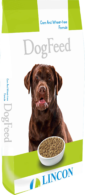
BOPP Pinch Bottom Bags
Specially for Food Packaging
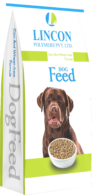
BOPP Laminated PP Woven Bags
Specially for Food Packaging
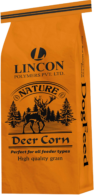
Paper / Poly Bags
Durable, Flexible, and Extra Strengthy
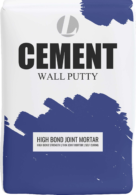
Block Bottom - Open Mouth & Valve Bags
Special Purpose Bags
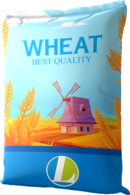
PP Woven Bags
Light Weight and Recyclable
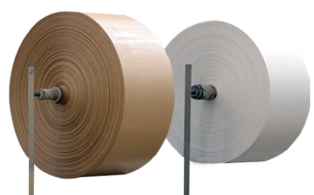
PP Woven Fabrics
The Heart of Woven Industry