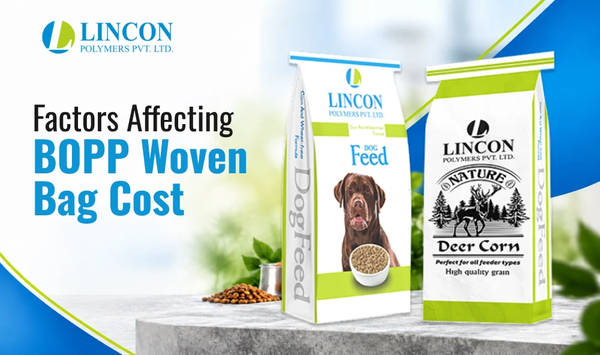
BOPP woven bag cost isn't fixed. It varies based on raw material inputs, bag specifications, print requirements, lamination grade, bag configuration, and the commercial terms under which bags are ordered. Each variable operates independently, and a change in any one of them shifts the per-unit cost in ways that compound across a full production run. For manufacturers and packaging buyers managing cost across multiple SKUs and high volumes, understanding which factors drive price is as important as the unit price itself.
Key Takeaways
Raw material costs, particularly polypropylene resin and BOPP film, form the largest single variable in BOPP woven bag cost and respond directly to commodity market movements.
Bag size, fabric weight, and fill capacity specifications determine how much material goes into each unit, with larger or heavier-duty bags carrying proportionally higher material costs per piece.
Print complexity, including colour count, surface coverage, and the printing process used, adds to both setup and per-unit cost, depending significantly on run length.
Order quantity is one of the most controllable levers in BOPP bag cost management, as spreading fixed setup costs across larger production runs reduces effective per-unit cost.
Sourcing directly from an experienced manufacturer eliminates trading margins and gives buyers direct control over specifications, quality oversight, and lead times.
Raw Material and Production Cost Drivers
The base cost of any BOPP woven bag is set by the materials used and the production standards it meets. These factors are the starting point for any cost analysis.
Polypropylene and BOPP Film Material Costs
Polypropylene resin is the base material for the woven fabric, and BOPP film is the laminate that provides printability, moisture resistance, and surface finish. Both are petrochemical derivatives whose prices move with crude oil markets and regional supply conditions. Heavier fabric weights, specified for high-fill or heavy-duty applications, require more resin per bag, raising the base material cost proportionally. Buyers reviewing BOPP Laminated PP Woven Bags specifications against cost should treat fabric weight as a primary cost variable, not a secondary detail.
Manufacturing Standards and Quality Control
The standard to which a bag is manufactured affects cost through the labour, testing, and process control required to achieve it. Bags produced for food-grade certification, moisture barrier performance, or tight print registration require more controlled production conditions and stricter rejection thresholds than commodity bags. Investing in quality control reduces field failures and prevents the costs of damaged product and reordering, making quality-related cost premiums recoverable across the full packaging cycle. The detail behind those standards is covered in BOPP Woven Bags Quality Control guidance relevant to each application.
Bag Type and Base Configuration
The choice of bag configuration affects how much material is used in construction and how much labour is required to form the bag. Flat open mouth bags are the simplest and least costly to produce. Pinch bottom and block bottom formats require additional forming steps that reflect in the per-unit price. Configurations with gussets, valve closures, or extended base panels add further material and process time. Reviewing the full range of BOPP Bag Types before specifying helps manufacturers match the right configuration to their filling line and cost requirements.
Specification Variables That Influence BOPP Woven Bag Price
Beyond base materials and production standards, the bag's specific requirements determine how much it costs to make. The following four variables matter most in daily procurement decisions.
Bag Size, Fill Weight, and Capacity
Larger bags consume more woven fabric and BOPP film per unit, raising material cost proportionally. Fill weight specification also drives fabric weight selection, since bags handling heavier loads require a stiffer and thicker woven structure. Buyers specifying high-fill or large-format bags should model total material cost against fill weight and dimensions together to avoid over-specifying in ways that increase cost without improving performance. A practical framework for this is available through BOPP bag size and capacity guidance that covers sizing decisions alongside filling line compatibility.
Print Complexity and Colour Coverage
Printing adds to every BOPP bag cost, and the amount depends on colour count, surface coverage, and the printing process used. Rotogravure printing delivers higher definition but involves cylinder preparation costs spread across the run. Flexographic printing has lower setup costs and suits simpler designs at high volumes. Print costs are most efficiently managed by consolidating designs into fewer SKUs and maximising run length per design. Understanding what print quality looks like in practice is covered through BOPP Bags for Retail Packaging examples across different market channels.
Lamination Grade and Application Requirements
Lamination grade is specified based on the bag's intended application. Food packaging bags and BOPP packaging bags require food-grade lamination with moisture-barrier properties suited to the product and storage conditions. Higher-grade lamination costs more than standard lamination, but the performance difference is material: a bag that fails in the field generates costs that far exceed the upfront premium. BOPP Bags for Flour Packaging discusses application-specific lamination requirements and why barrier performance matters for grain and milled product applications.
Pinch Bottom vs Block Bottom Format
The choice between pinch bottom and block bottom format affects both unit cost and packaging line performance. Pinch bottom bags seal at both ends and offer column-stable stacking suited to high-volume filling lines. Block bottom bags have a flat base that lets the bag stand freely and offer a larger printable face area for premium branding, but they carry a higher per-unit cost.
Commercial and Procurement Factors
Beyond specifications, the commercial terms and supply chain decisions a BOPP woven bags manufacturer makes directly affect what BOPP woven bags cost in practice.
Order Quantity and Volume Pricing
BOPP bag production involves fixed costs, including print plate or cylinder preparation, machine setup, and quality run-in, that are spread across every unit in the production run. Smaller orders absorb these fixed costs across fewer bags, raising the effective cost per piece. Larger orders amortise the same fixed costs more broadly, reducing per-unit price. For manufacturers running regular packaging volumes, planning order quantities to maximize run length is one of the most reliable ways that BOPP Bags Reduce Packaging Costs without any change to the bag specification.
Supplier Capability and Specialist Product Range
A manufacturer with experience across multiple bag formats, lamination grades, and print processes can advise on specification choices that meet performance requirements at a lower cost than a supplier working to the buyer's initial specification without reviewing it. Buyers sourcing BOPP Pinch Bottom Bags specifically benefit from working with manufacturers whose production lines are configured for that format and who can maintain dimensional consistency across large runs without the quality losses that affect less specialised operations.
Block Bottom Options for Premium Product Positioning
Block bottom bags command a price premium over standard formats, but the commercial case is straightforward where retail presentation and shelf differentiation drive purchase decisions. Manufacturers who have moved to block bottom formats report that improved shelf presence and product stability reduce handling damage and customer complaints at a rate that offsets the higher packaging cost per unit. Buyers evaluating this format should work with Block Bottom Bag Manufacturers who have dedicated production capability and the specification range the format requires.
Sustainable Packaging Options and Long-Term Cost Efficiency
Sustainable packaging choices, including reduced-weight laminate structures and packaging formats designed for recyclability, carry different cost structures from standard options. In some cases, material efficiency in sustainable formats reduces cost per unit; in others, certified sustainable materials carry a premium that is offset by downstream compliance and disposal savings. For manufacturers evaluating the full cost picture of their packaging decisions, reviewing BOPP Packaging Solutions with a focus on both unit cost and lifecycle cost provides a more complete basis for specification decisions.
Final Thoughts
BOPP woven bag cost is the product of multiple interacting variables, and manufacturers who manage it most effectively understand each factor's contribution rather than optimizing unit price alone. Raw material selection, bag specification, print complexity, lamination grade, and order quantity each offer levers that, when aligned with application requirements, produce cost outcomes that a narrow focus on price per piece cannot achieve.
Lincon Polymers manufactures BOPP laminated woven bags across a full range of configurations and specifications, providing transparent pricing against defined technical requirements and supporting manufacturers in making specification and procurement decisions that work across the full packaging cost cycle.
Frequently Asked Questions
What factors affect the cost of BOPP woven bags?
BOPP woven bag cost is determined by raw material prices for polypropylene resin and BOPP film, bag size and fabric weight, print complexity and colour count, lamination grade, bag configuration, and order quantity.
How does bag size affect BOPP woven bag prices?
Larger bags require more woven polypropylene fabric and more BOPP film per unit, raising material cost proportionally. Fill weight specification also influences fabric weight selection, since bags handling heavier loads need a stiffer woven structure.
Does printing increase the cost of BOPP woven bags?
Yes. Printing adds to BOPP woven bag cost, and the amount depends on the number of colours, surface coverage, and printing process used. Rotogravure printing offers higher definition but involves higher cylinder setup costs spread across the run.
How does order quantity influence BOPP woven bag costs?
Order quantity directly affects the per-unit cost of BOPP bags because production involves fixed costs that are amortised across the full order. Smaller orders carry a higher effective cost per unit because fixed setup costs spread across fewer bags.
Does lamination affect the price of BOPP woven bags?
Yes. Lamination is a material cost layer in every BOPP woven bag, and the grade specified affects the price. Standard lamination costs less than food-grade or specialist barrier lamination.

Our Products
Providing the most versatile and advanced products under one roof in the Woven Industry
BOPP Pinch Bottom Bags
Specially for Food Packaging
BOPP Laminated PP Woven Bags
Specially for Food Packaging
Paper / Poly Bags
Durable, Flexible, and Extra Strengthy
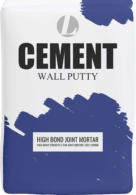
Block Bottom - Open Mouth & Valve Bags
Special Purpose Bags
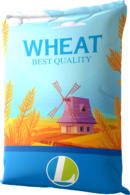
PP Woven Bags
Light Weight and Recyclable
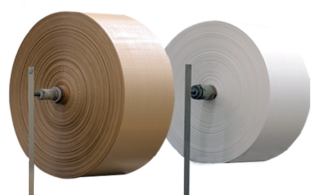
PP Woven Fabrics
The Heart of Woven Industry