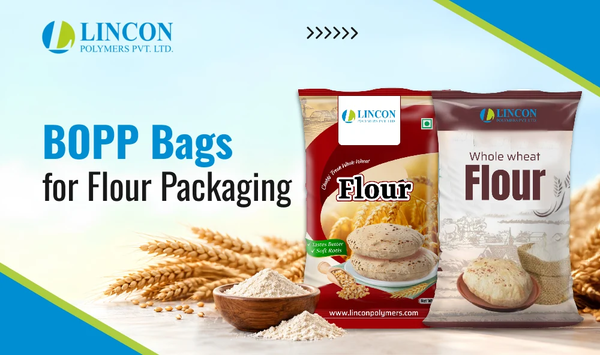
BOPP bags for flour packaging have become the dominant choice for flour mills and food manufacturers across India and export markets because they address the specific demands that flour places on its packaging: moisture absorption, transit stress, shelf appeal, and the food-safety requirements of a product consumed directly. The combination of a polypropylene woven base with a biaxially oriented polypropylene laminate delivers the structural strength, moisture barrier, and print surface that flour packaging requires across retail and industrial applications. For manufacturers choosing or reviewing their flour packaging, understanding how each element of bag specification connects to real-world performance and cost is the starting point for making the right decision.
Key Takeaways
BOPP lamination gives flour bags a moisture barrier that plain woven polypropylene cannot provide, protecting flour from ambient humidity that causes clumping, premature spoilage, and quality deterioration in transit and storage.
The choice between pinch bottom and block bottom bag types affects filling line compatibility, shelf presentation, and the end consumer's experience, with each type offering specific advantages depending on the flour grade and distribution channel.
Bag size and fill-weight capacity must match the mill's filling equipment and product range, from retail packs of 1 kg to 10 kg through to 25 kg and 50 kg industrial bags.
Multicolour custom printing on a BOPP surface delivers the shelf impact that competitive flour brands require, with the glossy laminate providing colour depth and clarity that unlaminated alternatives cannot replicate at scale.
Supplier reliability in quality consistency, production lead times, and custom specification capability matters as much as the bag specification itself, and the right manufacturing partner reduces the risk of packaging failures that affect product quality, customer returns, and brand reputation.
Why BOPP Bags Are the Right Choice for Flour Packaging
Before evaluating specific bag-selection factors, it helps to understand why BOPP construction matches the demands flour places on its packaging. Three properties account for most of the performance advantage.
Moisture Resistance and Product Freshness
Flour is hygroscopic; it absorbs moisture from the surrounding air and packaging that allows moisture ingress, reduces shelf life, causes clumping, and can promote mold or bacterial growth in high-humidity storage environments. The BOPP laminate applied to the outer surface of a woven polypropylene base creates a moisture barrier that significantly reduces vapour transmission compared to plain woven bags. BOPP Laminated PP Woven Bags combine the tensile strength of the woven PP construction with the surface protection and moisture resistance of the BOPP film, making them the standard choice for flour packaging where shelf life and product quality must be maintained from the mill to the end consumer.
Food-Grade Safety and Regulatory Compliance
Polypropylene is a food-safe material, BPA-free and chemically inert in contact with dry foodstuffs including wheat flour, rice flour, and other milled grain products. BOPP bags intended for flour packaging are produced from food-grade PP resin and inks that meet applicable food contact standards. For manufacturers exporting flour or supplying to regulated retail channels, packaging compliance is part of the product specification rather than a secondary consideration. BOPP Packaging Solutions for the food industry address both the material compliance requirements and the sustainability expectations that retail customers and export markets increasingly apply to flour packaging.
Structural Strength for Heavy-Duty Applications
The woven polypropylene base of a BOPP laminated bag provides the tensile strength that heavy flour packs require: 25 kg and 50 kg industrial bags must withstand filling line stresses, stacking loads in warehouse storage, and the vibration and handling of road and container transit without seam failure or base rupture. Types of BOPP Bags used in flour packaging range from lightweight retail formats to heavy-duty industrial bags, with the woven construction spec and laminate thickness adjusted to match the load requirements of each application.
Key Factors Manufacturers Must Evaluate When Choosing BOPP Flour Bags
Choosing the right BOPP bag for flour packaging involves a set of interdependent decisions. The following four factors carry the most weight for manufacturers making or reviewing this specification.
Bag Type: Pinch Bottom vs Block Bottom
The bag closure type is one of the first decisions in flour bag specification because it determines filling line compatibility and the finished bag's shelf presentation. Pinch bottom bags seal at the top after filling via a heat-seal or stitched closure and are well suited to automated filling lines. Block bottom bags have a flat, rectangular base that allows the bag to stand upright on a shelf, giving premium flour brands a retail display advantage. BOPP Pinch Bottom Bags vs Block Bottom Bags covers the practical trade-offs between the two formats in detail, including filling speed, sealing method, shelf space utilisation, and the cost implications of each configuration at different production volumes.
Bag Size, Fill Weight, and Filling Line Compatibility
Bag dimensions and fill weight capacity must be matched to the mill's filling and sealing equipment, as well as to the product range being packed. Retail flour typically runs from 500 g to 10 kg, with each size requiring a different bag dimension and gusset width. Industrial and institutional flour runs from 25 kg to 50 kg, with bag construction specifications that reflect the greater load. BOPP bag size and capacity provides a practical reference for matching bag dimensions to fill weights, with guidance on how overfill tolerance, gusset width, and seam position each affect the finished bag's performance on the filling line and in storage.
Custom Print Quality and Retail Brand Differentiation
In the retail flour market, packaging is the primary brand communication at the point of purchase. The BOPP laminate surface provides the print quality and colour vibrancy that flour brands need to compete on shelf: multicolour printing with photographic clarity, consistent ink adhesion, and a gloss finish that positions the brand as premium rather than commodity. BOPP Bags for Retail Packaging covers how BOPP bags serve the retail sector across industries, with the surface print performance and shelf-ready presentation that consumer flour brands and food retailers require.
Cost Efficiency Across the Full Packaging Cycle
The unit cost of a BOPP bag is one input into the packaging cost calculation, but it is not the only relevant figure. Bags that fail in transit generate product returns and replacement costs that exceed any saving on unit price. Bags that perform poorly on the filling line reduce throughput and increase downtime. Bags with print quality that does not hold shelf position reduce brand revenue in ways that are harder to quantify but real in effect. BOPP Bags Reduce Packaging Costs explains how the full-cycle cost comparison between BOPP bags and alternative formats plays out, covering material cost, failure rate, line efficiency, and the return on the print investment across retail and institutional flour packaging.
Choosing a Reliable BOPP Bag Supplier for Flour Packaging
Bag specifications are only part of the decision. The supplier's manufacturing capability, quality standards, and capacity to deliver consistently against volume requirements determine whether the specification performs in practice.
Quality Control and Testing Standards
A company that sells BOPP bags for flour packaging should have consistent quality in the areas that matter for food use, like laminate adhesion, seam strength, print registration accuracy, and batch-to-batch dimensional consistency. If any of these go wrong, it can lead to problems down the line, like bags that tear during storage, seams that open during loading, or print that doesn't register on automated filling lines. BOPP Woven Bags Quality Control explains the quality testing standards used to make BOPP woven bags, from testing the raw tape to inspecting the finished bag. This gives you an idea of what a reliable manufacturing partner should be able to show at each stage.
Pinch Bottom Bag Capability and Specification Range
For flour mills running automated filling lines, the supplier's pinch bottom bag capability must match the technical requirements of the filling and sealing equipment in use. Bag mouth dimensions, laminate type, and closure specifications all affect line compatibility. A supplier with broad pinch bottom experience across food applications can advise on the specification adjustments that improve line performance rather than simply producing a drawing. BOPP Pinch Bottom Bags from Lincon Polymers are designed specifically for food packaging applications, with construction and closure specifications suited to filling-line requirements and retail presentation standards for flour brands across the Indian market and export destinations.
Block Bottom Options for Premium Flour Presentation
Flour brands targeting premium retail positioning increasingly specify block bottom bags for the shelf stability and visual impact the flat-base format provides. Block bottom bags require more precision in base fold consistency and laminate application at the gusset corners, so supplier capability varies more than for pinch bottom bags. Block Bottom Bag Manufacturers with established production experience in block bottom formats offer better dimensional consistency and lower defect rates than suppliers for whom the format is secondary to their core woven bag output.
Final Thoughts
BOPP bags for flour packaging deliver the moisture resistance, structural strength, and print quality flour manufacturers need, but the best bag specification depends on the specific combination of filling line requirements, product range, distribution channels, and retail positioning each manufacturer operates within.
Getting that specification right and sourcing it from a supplier with consistent manufacturing standards and reliable delivery produces packaging that protects product quality, supports brand value, and performs cost-effectively across the production cycle.
Lincon Polymers manufactures and exports BOPP pinch bottom bags, BOPP laminated PP woven bags, and block bottom bags to flour mills and food manufacturers across India and international markets, with custom print and specification capability to match the exact requirements of each application.
Frequently Asked Questions
What are BOPP bags for flour packaging?
BOPP bags for flour packaging are woven polypropylene bags laminated with a biaxially oriented polypropylene film on the outer surface. The woven PP base provides structural strength and load capacity; the BOPP laminate provides moisture resistance, a high-quality print surface, and the glossy appearance associated with premium food packaging.
Why are BOPP bags suitable for flour packaging?
BOPP bags suit flour packaging because they address the specific challenges flour presents: moisture absorption, transit stress, and shelf presentation.
What factors should manufacturers consider when choosing BOPP flour bags?
Manufacturers should evaluate bag type (pinch bottom vs block bottom and its compatibility with their filling line), bag size and fill weight capacity, laminate specification and moisture barrier performance, custom print specification and colour accuracy, unit cost against expected fill weight and volume, and the supplier's quality consistency and lead time reliability.
Are BOPP bags moisture-resistant?
Yes. The BOPP laminate on the outer surface of a woven PP bag provides significantly better moisture resistance than an unlaminated woven bag. The laminate reduces vapour transmission and protects the flour from ambient humidity during storage and transit.
Can BOPP bags be customised for flour packaging?
Yes. BOPP flour bags can be produced in custom dimensions, fill weights, closure types, and print designs. Multicolour printing with up to eight colours is standard at BOPP bag manufacturers with modern flexographic printing lines.
Are BOPP bags suitable for wheat flour and other flour products?
Yes. BOPP bags are suitable for wheat flour, rice flour, gram flour, maida, semolina, and other milled grain products. The food-grade polypropylene construction is appropriate for all dry flour types, and the moisture barrier performance is consistent regardless of flour variety.
How can manufacturers choose a reliable BOPP bag supplier?
A reliable BOPP bag supplier for flour packaging should demonstrate consistent quality across key parameters, including laminate adhesion, seam strength, and print accuracy; have documented quality testing standards and the ability to provide batch-level quality data;


Our Products
Providing the most versatile and advanced products under one roof in the Woven Industry
BOPP Pinch Bottom Bags
Specially for Food Packaging
BOPP Laminated PP Woven Bags
Specially for Food Packaging
Paper / Poly Bags
Durable, Flexible, and Extra Strengthy
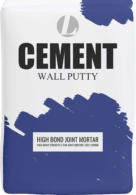
Block Bottom - Open Mouth & Valve Bags
Special Purpose Bags
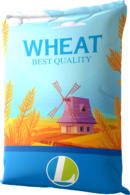
PP Woven Bags
Light Weight and Recyclable
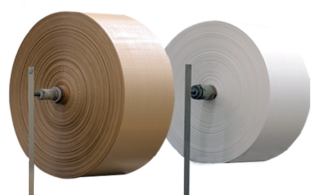
PP Woven Fabrics
The Heart of Woven Industry